
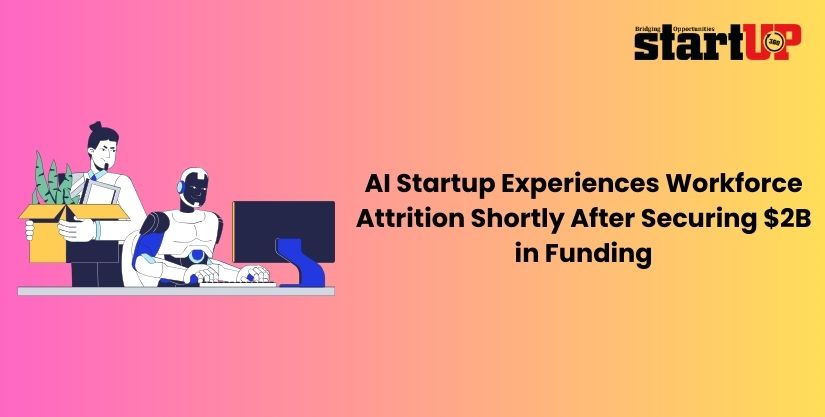
AI Startup Experiences Workforce Attrition Shortly After Securing $2B in Funding
Raising a massive $2 billion funding round is often seen as a milestone moment for any AI startup. It signals strong investor confidence, market validation, and ambitious growth plans. However, recent developments show that large funding alone does not guarantee internal stability. An AI startup that recently secured $2 billion is now facing significant workforce attrition just months after the announcement.
This situation highlights a growing concern within the AI ecosystem: rapid capital inflow can sometimes expose deeper organizational challenges rather than solve them.
Why Workforce Attrition Happens After Big Funding
Post-funding phases are often marked by intense pressure to scale quickly. Leadership teams push for faster execution, tighter timelines, and aggressive product roadmaps. For employees, this can result in burnout, role ambiguity, and cultural shifts that feel misaligned with the startup’s original vision.
In many AI startups, early team members join for innovation, flexibility, and purpose. After a mega funding round, the environment can suddenly feel more corporate, metrics-driven, and investor-focused, leading to dissatisfaction and eventual exits.
Talent Expectations vs. Reality
Another key factor behind AI startup workforce attrition is the mismatch between expectations and reality. Employees may anticipate an improved work-life balance, better processes, and stability following the funding. Instead, they often face restructuring, leadership changes, and increased pressure to perform.
In competitive AI talent markets, skilled engineers, researchers, and product leaders have no shortage of opportunities. When internal challenges arise, attrition can happen quickly and at scale.
Risks of Post-Funding Attrition for AI Startups
Losing talent shortly after a funding round can slow product development, impact innovation, and weaken investor confidence. AI startups rely heavily on specialized knowledge, and replacing experienced team members is both time-consuming and costly.
More importantly, repeated attrition can damage employer branding, making it harder to attract top AI talent in future hiring cycles.
Key Lessons for AI Founders and Leaders
This case serves as a reminder that a people strategy must grow alongside a funding strategy. Transparent communication, cultural continuity, realistic growth plans, and employee well-being are critical after major funding events.
AI startups that invest in leadership alignment, clear role definitions, and long-term talent retention are more likely to convert large funding rounds into sustainable success.